
Stay ahead with expert insights on dietary supplement manufacturing, regulatory updates, industry trends, and best practices from ABL Manufacturing's team of specialists.
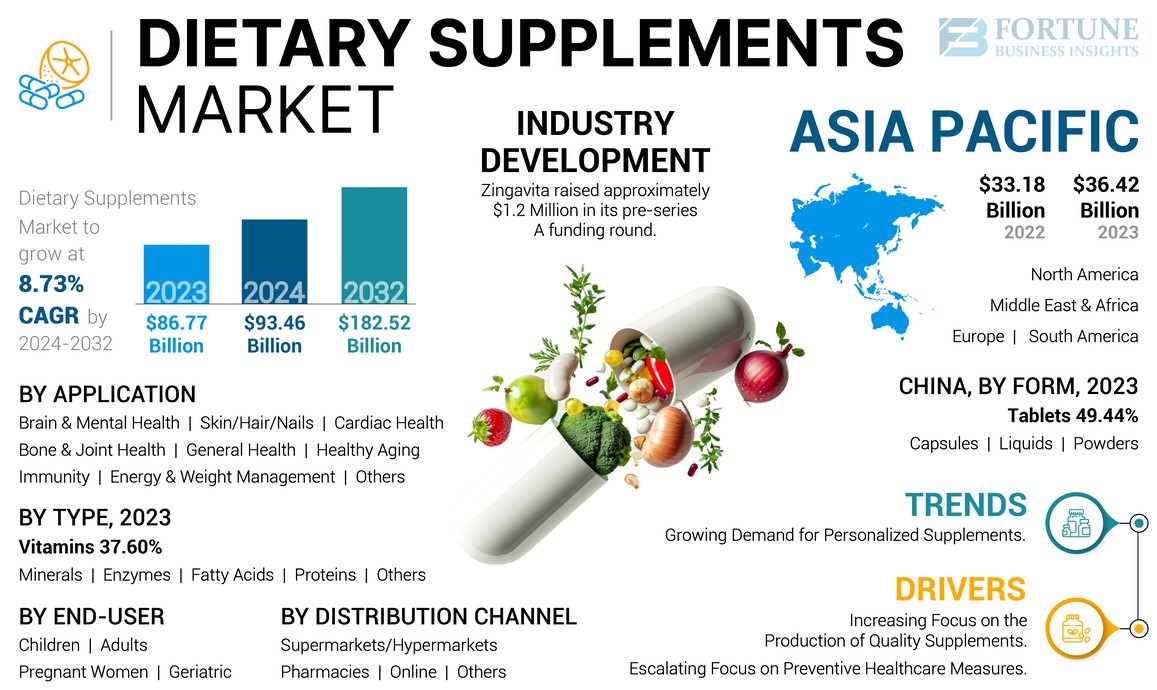
2024 Global Dietary Supplements Market Analysis
time:2025-06-16 13:46:35
The dietary supplement industry has experienced explosive growth in recent years, driven by increasing consumer awareness of health and wellness. As demand surges, Original Equipment Manufacturing (OEM) has become a popular choice for brands looking to enter or expand in this market. However, navigating the cost structure of dietary supplement OEM can be a labyrinthine process, with numerous factors influencing the final price tag. Understanding these complexities is crucial for businesses aiming to strike a balance between product quality and profitability.
The cost of raw materials is the cornerstone of dietary supplement OEM expenses. High-quality ingredients, such as organic or certified natural substances, often come with a premium price. Sourcing these materials from reputable suppliers is essential to ensure product efficacy and safety, but it also significantly impacts the overall cost. For instance, premium-grade vitamins and minerals, sourced from specialized manufacturers, can be several times more expensive than their standard counterparts.
Raw material prices are subject to market volatility. Factors such as climate conditions, geopolitical events, and supply chain disruptions can cause sudden spikes or drops in costs. For example, a poor harvest season for a particular herb used in supplements can lead to a shortage, driving up its price. OEM manufacturers must closely monitor these fluctuations and often hedge against price risks through long-term contracts with suppliers.
Regulations surrounding dietary supplements are stringent, especially in regions like the United States and Europe. Ensuring that raw materials meet these regulatory standards adds a layer of cost. Suppliers must adhere to Good Manufacturing Practices (GMP) and undergo rigorous testing to verify the purity and potency of ingredients. These compliance costs are passed on to the OEM clients, contributing to the overall expense.
The cost of setting up and maintaining a manufacturing facility is substantial. Modern dietary supplement production requires specialized equipment, such as high-speed encapsulation machines, blending systems, and quality control labs. These machines are expensive to purchase and maintain, and their depreciation costs are factored into the OEM pricing. Additionally, the facility must be designed to meet GMP standards, which involves significant investment in infrastructure.
Labor costs vary widely depending on the location of the manufacturing facility. In regions with higher wages, such as Western Europe or North America, labor expenses can be a significant portion of the production cost. Overhead costs, including utilities, rent, and administrative expenses, also contribute to the overall price. Efficient production processes and automation can help mitigate these costs, but they require initial investment and ongoing maintenance.
Ensuring the quality and consistency of dietary supplements is a critical aspect of production. Rigorous testing protocols, including microbial testing, heavy metal analysis, and potency verification, are essential to meet regulatory requirements and consumer expectations. These tests are conducted at multiple stages of production, from raw material inspection to finished product analysis. The cost of these tests is a significant component of the manufacturing expense and is passed on to the OEM clients.
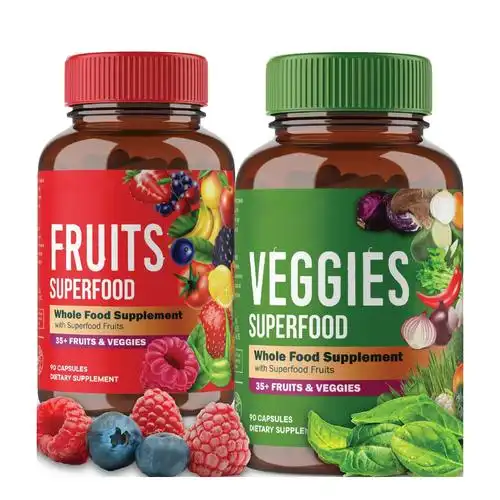
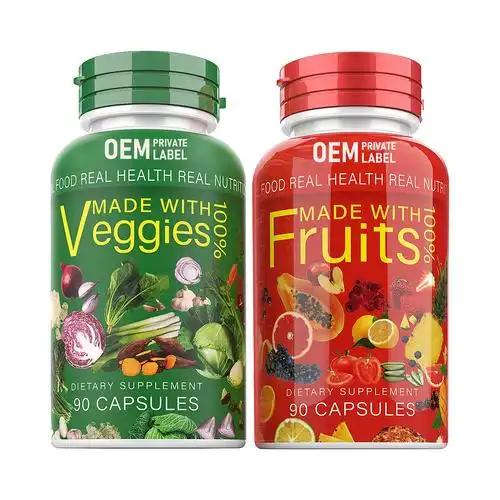
Packaging is not just about aesthetics; it also plays a crucial role in preserving the integrity and shelf life of dietary supplements. High-quality packaging materials, such as child-resistant bottles, blister packs, and tamper-evident seals, are essential for compliance and consumer safety. These materials can be expensive, especially if they are sourced from sustainable or eco-friendly suppliers. The design and customization of packaging also add to the cost, as unique designs require specialized printing and molding processes.
Labels on dietary supplements must provide detailed information, including ingredients, dosage instructions, and warning statements. Ensuring that these labels comply with regulatory requirements in different markets can be complex and costly. Translating labels into multiple languages for international distribution further increases the expense. OEM manufacturers must work closely with clients to ensure that all labeling requirements are met, adding a layer of cost to the overall production process.
Getting the finished product from the manufacturing facility to the end consumer involves a complex logistics chain. This includes transportation, warehousing, and distribution costs. The cost of logistics can vary depending on the destination, mode of transport, and volume of orders. For international shipments, customs duties, import taxes, and shipping insurance also add to the expense. Efficient supply chain management is essential to minimize these costs, but it requires significant investment in infrastructure and technology.
Navigating the complexities of dietary supplement OEM costs requires a comprehensive understanding of the various factors involved. From the raw materials and manufacturing processes to packaging and logistics, each element contributes to the final price tag. For businesses in the dietary supplement industry, striking a balance between cost and quality is essential for long-term success. By partnering with experienced and transparent OEM manufacturers, brands can navigate these complexities more effectively and bring high-quality products to market at a competitive price.