
Stay ahead with expert insights on dietary supplement manufacturing, regulatory updates, industry trends, and best practices from ABL Manufacturing's team of specialists.

2024 Global Dietary Supplements Market Analysis
time:2025-06-16 13:49:36
In the rapidly growing health and wellness industry, the demand for high-quality EPA and DHA supplements has surged. These omega-3 fatty acids are renowned for their numerous health benefits, including supporting heart health, brain function, and reducing inflammation. Contract manufacturing for EPA and DHA supplements has become a crucial link in the supply chain, transforming raw fish oil into finished products that meet the stringent standards of consumers and regulatory bodies. This article delves into the intricate process of contract manufacturing for premium EPA and DHA supplements, highlighting key stages and considerations.
The journey of an EPA and DHA supplement begins with the sourcing of fish oil. It is imperative to select fish oil from reliable and sustainable sources. Fish species such as anchovies, sardines, and mackerel are commonly used due to their high omega-3 content. The origin of the fish is also crucial; fish from cold, pristine waters are often preferred as they tend to have lower levels of contaminants like heavy metals and toxins. Contract manufacturers must work closely with suppliers to ensure the fish oil meets the required purity and potency standards.
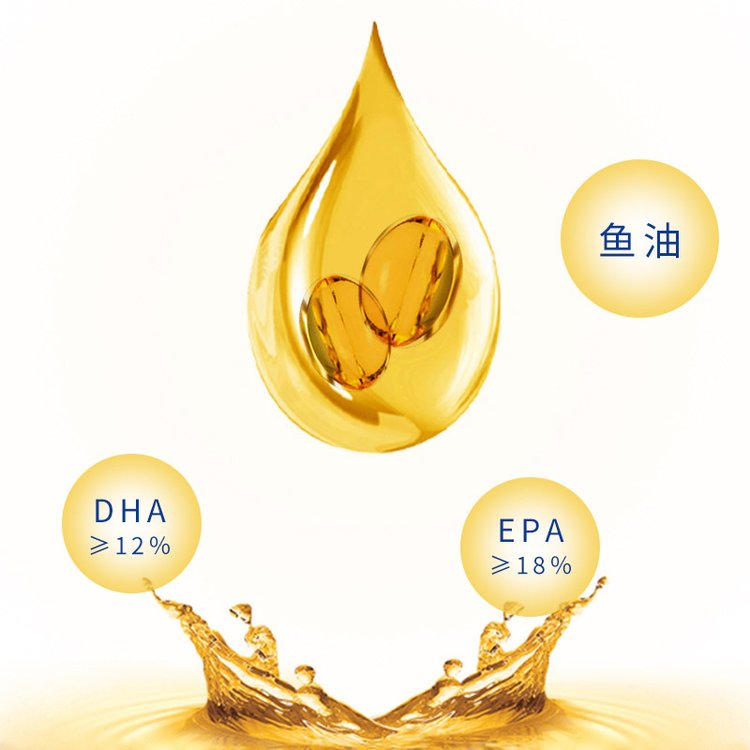
Once the fish oil is sourced, the extraction process begins. This involves removing the oil from the fish tissue, typically through a combination of mechanical pressing and solvent extraction. The extracted oil is then refined to remove impurities, such as proteins, lipids, and environmental pollutants. Advanced refining techniques, including molecular distillation and winterization, are employed to purify the fish oil. These processes ensure that the final product is free from harmful contaminants while retaining the beneficial EPA and DHA fatty acids.
After refining, the fish oil undergoes concentration to increase the levels of EPA and DHA. This is often achieved through a process called supercritical fluid extraction, which uses carbon dioxide under high pressure to selectively extract and concentrate the omega-3 fatty acids. The concentrated fish oil is then standardized to ensure a consistent ratio of EPA to DHA, as specified by the client. This step is critical in ensuring the efficacy and consistency of the final supplement product.
With the concentrated and standardized fish oil in hand, the next step is to develop the supplement formula. This involves determining the dosage form, such as capsules, softgels, or liquid supplements. The formulation team must also consider additional ingredients, such as antioxidants to prevent oxidation of the fish oil, and natural flavors to mask any fishy taste. The formula is carefully designed to meet the specific needs of the client and the target consumer group, taking into account factors like bioavailability, stability, and shelf life.
The manufacturing process for EPA and DHA supplements is highly regulated and requires precision. For capsule and softgel formulations, the fish oil is combined with a suitable carrier oil and encapsulated using advanced machinery. The capsules are then filled with the precise amount of fish oil mixture, ensuring uniformity and consistency. In the case of liquid supplements, the fish oil is blended with other ingredients and bottled in a controlled environment. Throughout the manufacturing process, strict quality control measures are in place to monitor parameters such as fill weight, capsule integrity, and microbial contamination.
Quality control is a cornerstone of contract manufacturing for EPA and DHA supplements. Rigorous testing is conducted at various stages of the manufacturing process to ensure the product meets the highest standards. This includes testing for the presence and concentration of EPA and DHA, as well as checking for contaminants such as heavy metals, PCBs, and pesticides. Microbiological testing is also performed to ensure the product is free from harmful bacteria and other pathogens. Only after passing these stringent tests is the product deemed ready for packaging and distribution.
The packaging of EPA and DHA supplements is not just about aesthetics; it plays a crucial role in preserving the quality and integrity of the product. The packaging material must protect the fish oil from exposure to light, air, and moisture, which can cause oxidation and degradation of the omega-3 fatty acids. Common packaging options include opaque bottles, blister packs, and foil pouches. The packaging design also needs to comply with regulatory requirements for labeling, including information on the product's ingredients, dosage, and health claims.
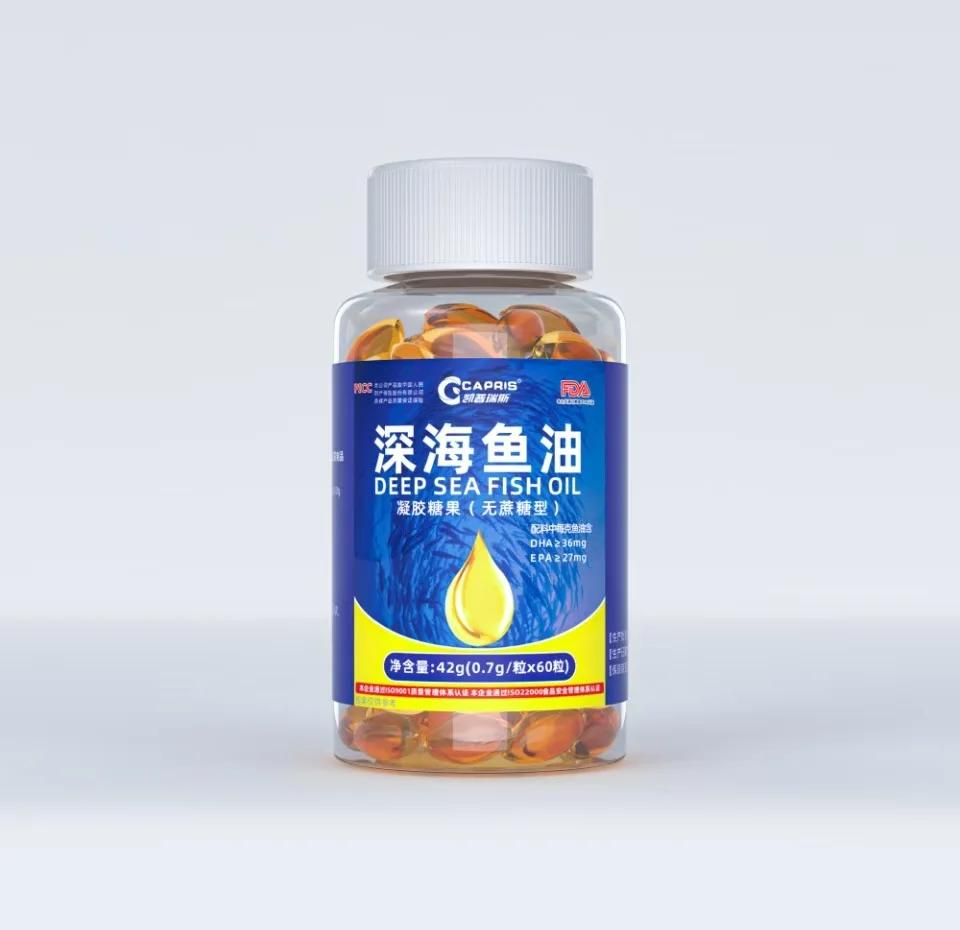
Accurate and compliant labeling is essential for EPA and DHA supplements. The label must clearly state the product's name, ingredients, EPA and DHA content, serving size, and any relevant health claims. It must also include information on allergens, storage conditions, and the manufacturer's contact details. Compliance with regulatory guidelines, such as those set by the FDA or EFSA, is crucial to avoid legal issues and ensure consumer trust. Contract manufacturers must stay updated on the latest regulations and ensure that their clients' products meet all necessary requirements.
Once the supplements are packaged and labeled, they are ready for distribution. Efficient logistics are essential to ensure that the products reach their intended markets in a timely manner. Contract manufacturers often work with third-party logistics providers to handle the transportation and storage of the finished products. Maintaining a controlled environment during transportation and storage is crucial to prevent any degradation of the fish oil. Additionally, tracking and traceability systems are implemented to monitor the product's journey from the manufacturing facility to the end consumer.
In conclusion, contract manufacturing for premium EPA and DHA supplements is a complex and highly regulated process. From the careful sourcing and processing of fish oil to the precise formulation, manufacturing, and packaging, every step is crucial in ensuring the production of high-quality, safe, and effective supplements. By partnering with experienced contract manufacturers, companies can leverage their expertise and resources to bring superior EPA and DHA products to the market, meeting the growing demand for these essential nutrients.